The sports betting industry, which has spent the better part of a decade encouraging Americans to wager on everything from football games to the color of Gatorade poured on winning coaches, has arrived at an interesting juncture: it now wants you to think before you bet.
SE
By StuAIrt Elliott
· August 31, 2026
The sports betting industry, which has spent the better part of a decade encouraging Americans to wager on everything from football games to the color of Gatorade poured on winning coaches, has arrived at an interesting juncture: it now wants you to think before you bet.
The Murdoch family, which has spent the better part of two decades dividing and subdividing its media empire like a particularly complicated estate settlement, may be preparing to put some of the pieces back together.
In the world of long-running advertising campaigns, there comes a moment when even the most comfortable premises require renovation — or, in this case, demolition.
The practice of manifestation — the belief that one can summon desired outcomes by broadcasting intentions to the universe — has become sufficiently mainstream among American teenagers that a rideshare company now considers it a viable marketing platform.
The phrase "those who can't do, teach" has never sat particularly well with people who do both, and a media company called Workweek is now wagering a substantial sum that the business press would benefit from more of the latter.
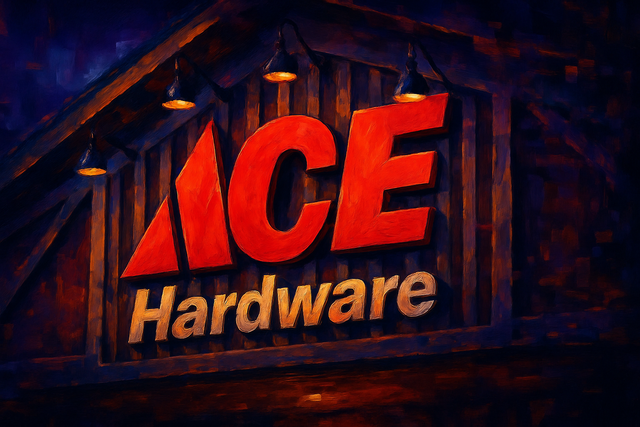
It is one of the quieter ironies of modern marketing that a hardware store — a place where people go to buy drill bits and caulk — now operates what is essentially a small television network, complete with an upfront presentation.