The arrival of a new National Football League season means, among other things, the arrival of new commercials from the insurers and beer makers and wireless carriers who spend lavishly to reach the television audience that professional football still reliably delivers.
The platform once known as Twitter has decided that this is the year of the creator, a designation that sounds rather like those proclamations municipalities make about endangered species or underappreciated vegetables.
There was a time, not so long ago, when a sports media company could build a business on newsletters alone, and the phrase "there's an app for that" was reserved for Silicon Valley keynotes.
The phrase "agency whisperer" has always suggested a certain kind of magic — the ability to translate between the dialects of holding company executives and technology platform salespeople, two groups who need each other desperately and understand each other imperfectly.
The job of chief marketing officer at a major fast-food chain has never been what you might call restful, but the position at Wendy's comes with its own particular inheritance.
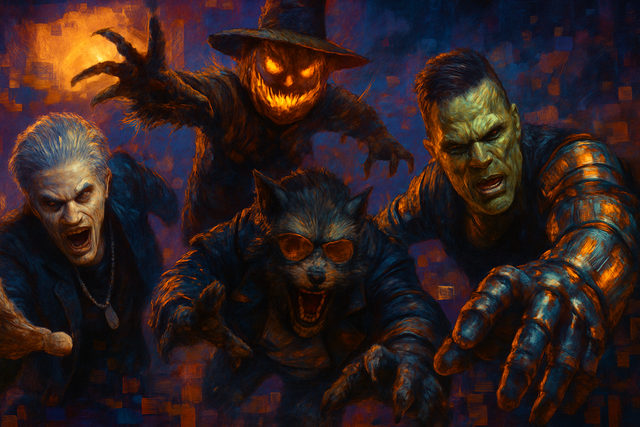
The line between selling soft drinks and producing entertainment has been blurring for some time now, but Fanta, the Coca-Cola-owned brand best known for its orange soda and its reliable presence in Halloween candy aisles, has decided to step through the looking glass entirely.
There was a time when pharmaceutical advertising to older Americans meant gentle walks on beaches and powerful disclaimers read at auction-house speed.
The advertising industry has spent decades refining the art of the testimonial, that most elemental form of persuasion in which a person of apparent credibility looks into a camera and says, in effect, "Trust me." Now it appears that artificial intelligence has mastered the form so thoroughly that e