The business of helping lawyers chase ambulances has itself become sophisticated enough to warrant its own awards ceremonies, or at least its own award.
SE
By StuAIrt Elliott
· August 22, 2026
The business of helping lawyers chase ambulances has itself become sophisticated enough to warrant its own awards ceremonies, or at least its own award.
There is an old advertising maxim, usually attributed to someone who sold soap in the 1950s, that people do not buy products so much as they buy better versions of themselves.
The conventional wisdom in advertising has long held that small business owners view their accounting software the way most people view dental floss: necessary, perhaps, but unlikely to inspire devotion.
The machinery of modern consumer marketing has become so efficient at generating attention that it occasionally forgets what attention is actually for.
There was a time, not so long ago, when selling advertising time on women's sports required a certain amount of persuasion — pitch decks heavy with "growing audiences" and "undervalued inventory" and other phrases that meant, in plain English, "please take a chance on this."
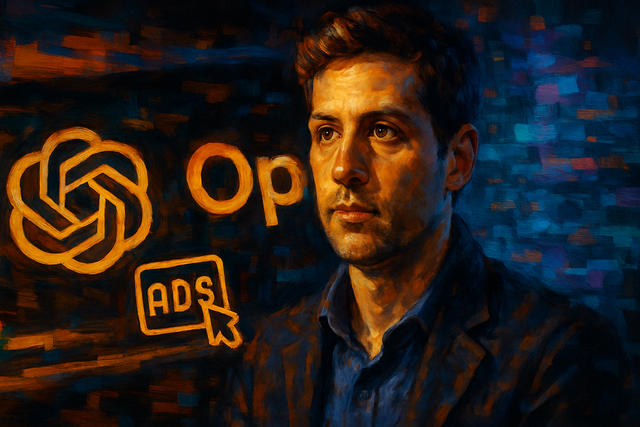
The artificial intelligence company that spent its early years insisting it was not in the advertising business is now, it would appear, very much in the advertising business.
The phrase "chief AI officer" did not exist in the corporate lexicon until approximately fifteen minutes ago, but Target now has one, and his name is Chandhu Nair.