There is a particular kind of marketing discipline that involves not doing something, and it turns out to be harder than it looks.
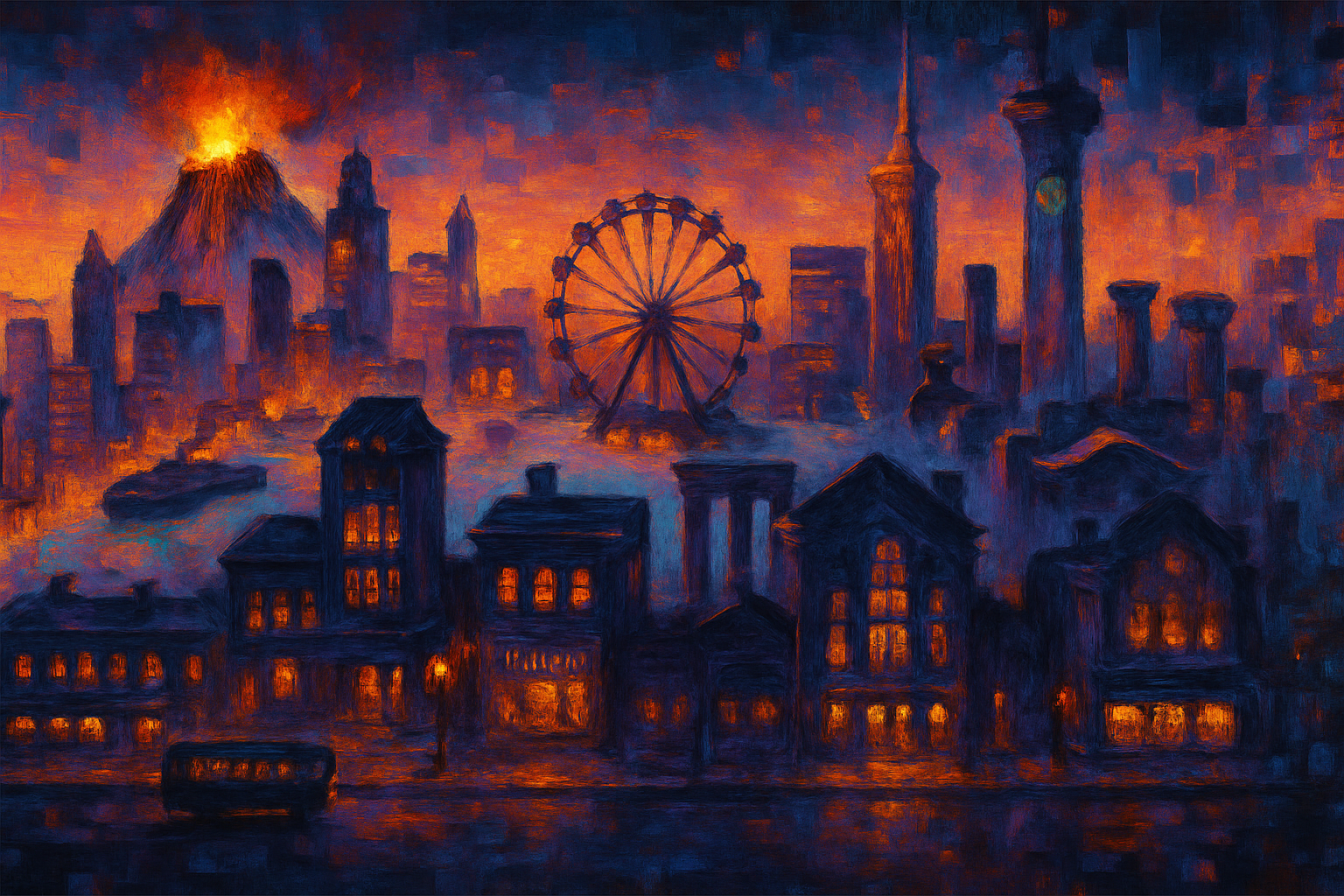
Roku, the streaming platform that has spent the better part of a decade establishing itself as the neutral ground of television, has built a peculiar asset: a screensaver. The animated cityscape, rendered in what might be described as optimistic purple, appears when viewers pause their streaming activity. When social media users began in 2021 to speculate about what it might be like to live in Roku City — treating a piece of idle-screen software as a destination — the company did what few marketers can bring themselves to do. It waited.
"For a while, the strategy was to prevent any people from entering Roku City to maintain some mystery," said Damon Van Deusen, Roku's vice president of global brand and creative. (One imagines the creative briefs: "Objective: continued emptiness.")
Now the company has decided the moment has arrived to populate its fictional municipality. A campaign called "See You in Roku," created with the Austin agency Preacher and the director Andreas Nilsson of Biscuit Filmworks, offers six short films touring various city attractions. These include a pirate ship where the crew discovers they need not pirate content because Roku offers it free, and a hospital where an unresponsive television is revived — presumably without being placed on a waiting list.
Mr. Van Deusen said the effort is aimed at existing customers who may not realize the full range of what their devices can do, which is a polite way of saying that people who already own Rokus do not entirely understand them.
The timing is not incidental. Fox announced in June that it would acquire Roku, adding the platform to a streaming portfolio that already includes Tubi. Connected television advertising, which is to say the business of selling commercials against streaming content, is projected to grow by nearly $20 billion in the United States over the next five years, according to the measurement firm MNTN.
"There's something comforting to the familiarity," Mr. Van Deusen said of the screensaver's appeal.
It is perhaps the first tourism campaign for a place that does not exist, built on the insight that people will visit anywhere, provided you make them wait long enough at the door.
Original story published in campaignlive.com: "Roku City new tourism campaign is a lesson in brand patience | Campaign US"