The term "social media" may be approaching the linguistic fate of "horseless carriage" — a description that reveals more about what preceded it than what it has become.
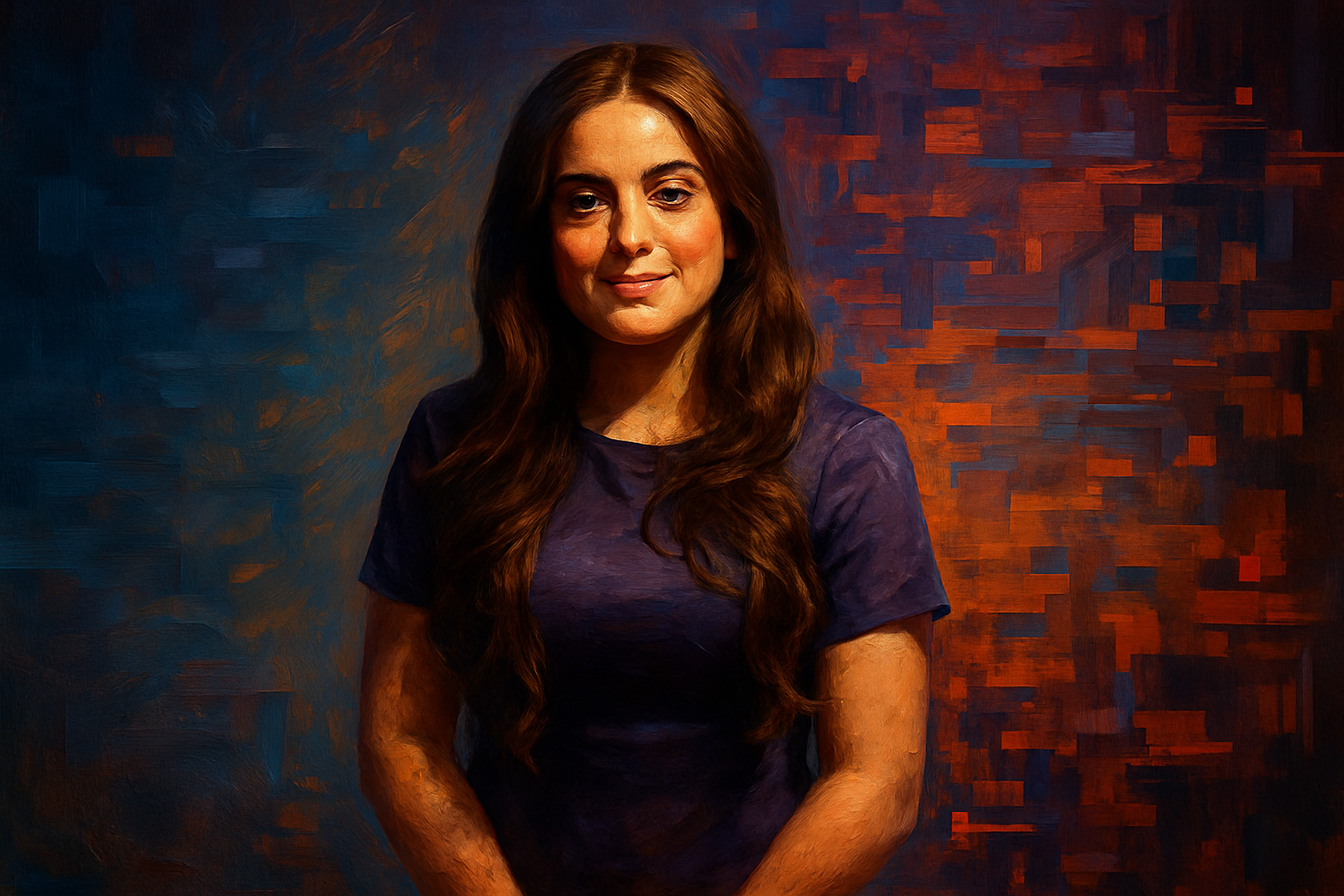
That, at any rate, is the argument being advanced by Shaina Zafar, a strategist at a consultancy called Next Gen Practice who spends her days explaining the digital habits of younger consumers to marketers who came of age when Facebook was still a verb meaning something you did to actual classmates.
Ms. Zafar's observation, which she says tends to give chief marketing officers pause, is that the platforms around which brands have organized their entire digital strategies are being quietly abandoned by the people who use them most — not for other platforms, but for the parts of those same platforms that brands cannot see. The action, she says, has migrated to direct messages, group chats and close friends lists, leaving the public feeds as a kind of stage set where 10 percent of users generate 90 percent of the content.
"The funniest part of any video is the comment section more than the content itself," Ms. Zafar said. (A sentence that would have made no sense whatsoever to anyone in the advertising business as recently as 2008.)
For brands, the implication is uncomfortable. The metrics they have spent years learning to optimize — reach, impressions, follower counts — may be measuring the wrong room at the party. Ms. Zafar counsels clients to build long-term relationships with creators rather than treating them as media buys, and to resist the urge to dictate precisely how a product should be held in frame.
"No one cares that the bottle's 90 degrees left or right," she said.
It is advice that would have sounded like heresy on Madison Avenue not long ago. Then again, so did the horseless carriage.
Original story published in The Drum: "‘Is social media still social?’ The Gen Z strategist helping brands rethink influence | The Drum"