There is, in the long history of advertising mishaps, a particular category of error that is not about what was said but about who was in the room when it was approved.
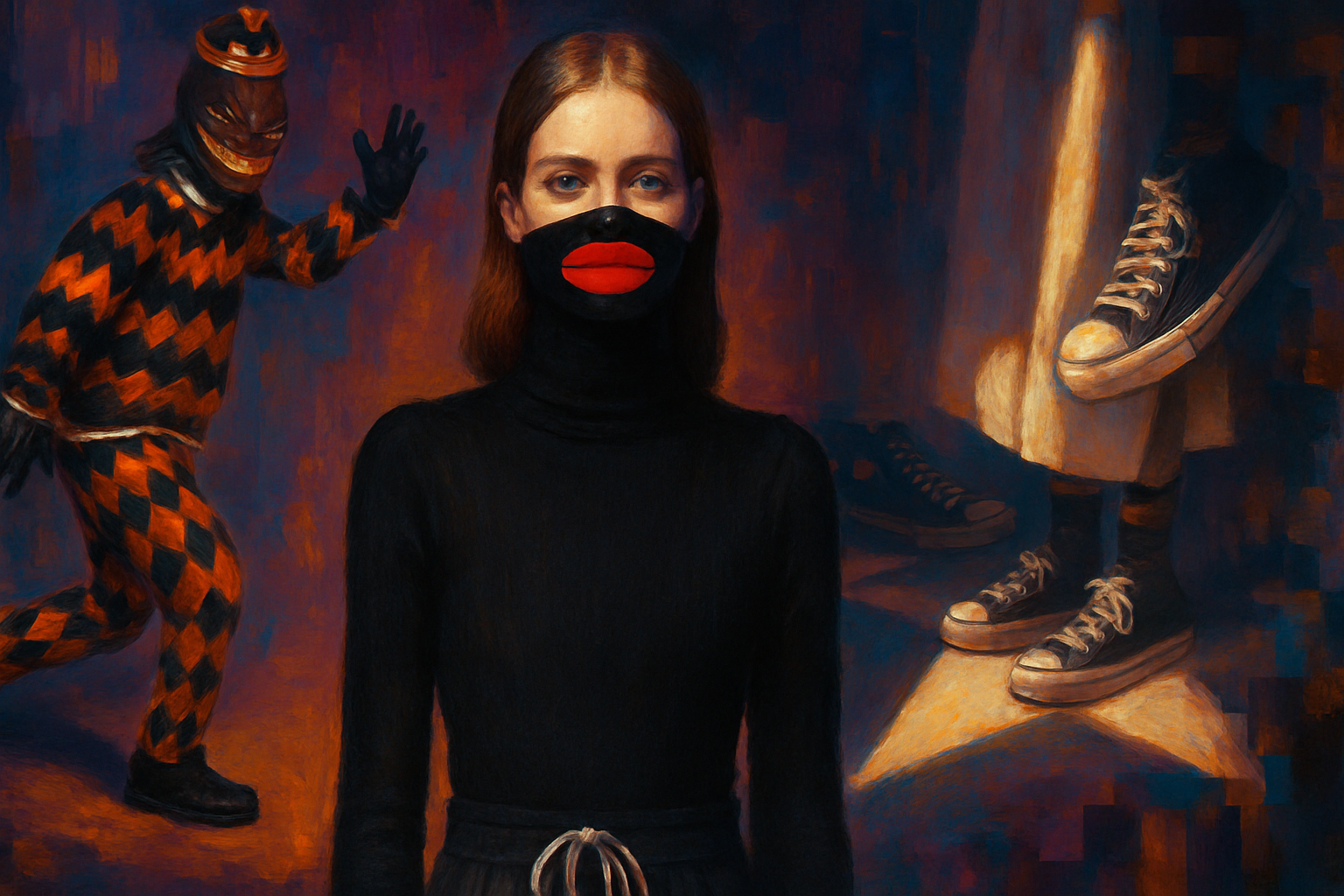
Converse, the sneaker brand that has been a unit of Nike since 2003, found itself this week apologizing for an advertisement that, to a significant number of viewers, appeared to evoke a white Klansman's robe above a pair of dangling feet. The company did not dispute the interpretation.
"We understand why this image is deeply unsettling and recognize that we got this wrong," Converse said in a statement. "This should not have happened, and we will do better."
What struck many observers was not the image itself, troubling as it was, but its place in what has become a pattern — a string of advertisements from major brands that have provoked particular outrage among Black consumers, each followed by the same brief cycle of apology and promise. (The promises, one notes, have not yet prevented the next incident.)
The question of how such images survive the approval process — through creative development, client review, legal vetting, and production — remains one that the advertising industry has never answered with satisfaction. Brands with global reach and marketing budgets measured in hundreds of millions of dollars employ, in theory, teams specifically tasked with assessing how work will be received across diverse audiences. That such teams exist and such work still appears suggests either a failure of process or a failure of listening, neither of which is improved by the press release that follows.
Converse said it would do better. That is what brands say. Whether the structures that produce these errors will change, or merely the statements that follow them, is a matter the industry has left, for now, unresolved.
Original story published in adweek.com: "Brands Keep Greenlighting Ads That Many Find Racially Insensitive"