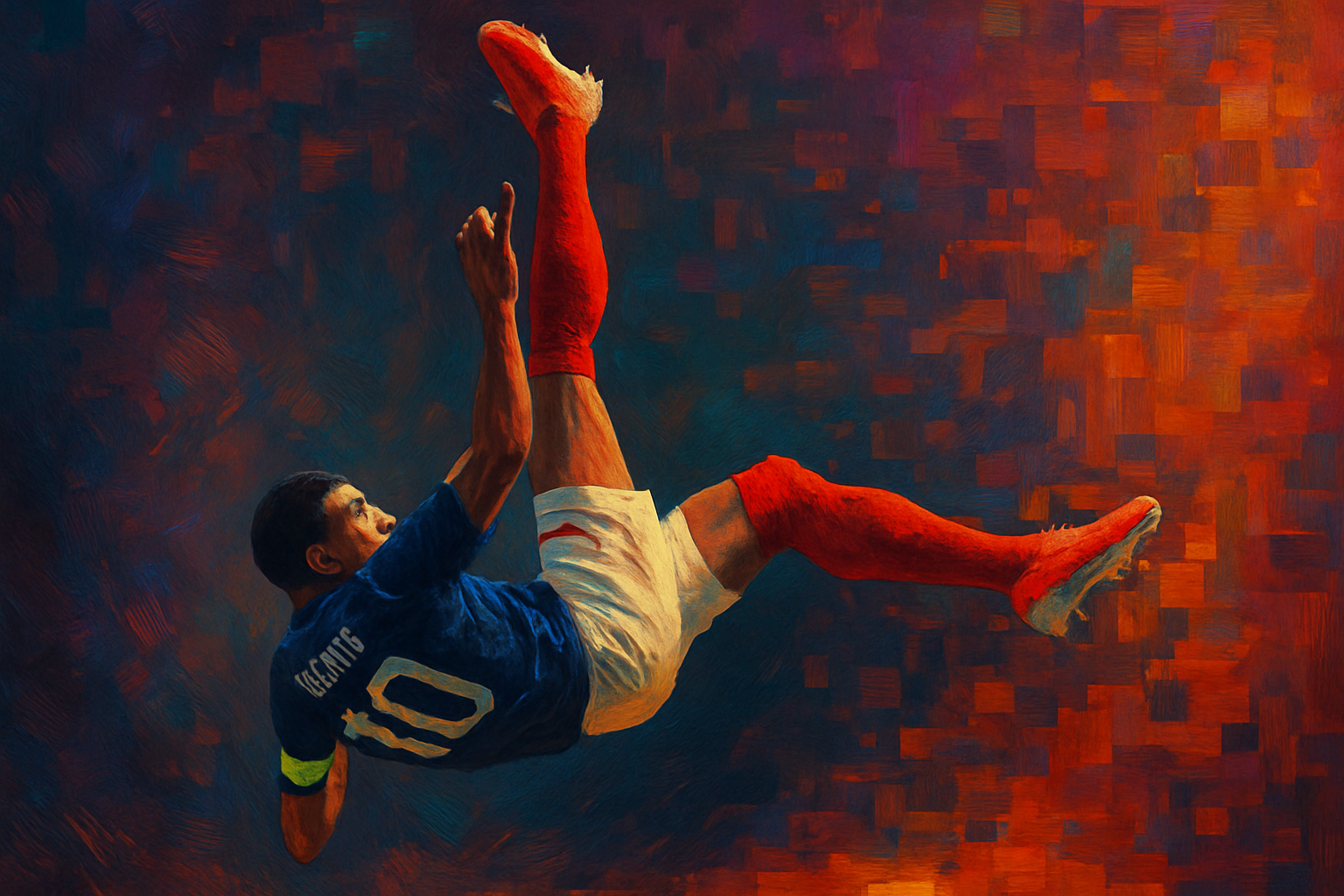
The World Cup, that quadrennial festival of national pride and swoosh placement, has apparently become something more than a marketing occasion for Nike. It has become, in the company's telling, a laboratory.
Executives at the Beaverton, Ore., sportswear giant say the tournament is serving as a proving ground for a broader turnaround effort — a chance to test whether the brand can recapture some of the cultural urgency it once took for granted. The early results, according to the company, are encouraging, though Nike has always been skilled at describing its own performance in favorable terms.
The pivot represents a notable shift for a company that has spent recent years navigating what might charitably be called a transitional period. Nike, which has dominated athletic footwear and apparel since the days when "Just Do It" was a fresh thought rather than a legacy asset, has faced mounting pressure from upstarts and old rivals alike. Adidas has found new footing. New Balance has become improbably fashionable. And a generation of consumers has discovered that there are other ways to spend $180 on sneakers.
(Whether the World Cup can actually predict the success of a corporate turnaround, or whether it simply offers a concentrated window of attention that makes everything look briefly more promising, is a question Nike's executives did not dwell upon.)
The company's challenge now is what it calls keeping "the spark alive" — a phrase that suggests the marketing equivalent of relationship maintenance after the honeymoon ends. The World Cup will conclude; the daily work of selling shoes to teenagers who have never heard of Bo Jackson will continue.
Nike has been here before, of course. The spark, in its experience, tends to require regular relighting.
Original story published in adweek.com: "Nike Has a Plan to ‘Keep the Spark Alive’ After the World Cup"