The pizza industry has had, over the years, a complicated relationship with the motion picture business, one that has ranged from product placement in teenage comedies to the sort of elaborate promotional partnerships that require their own press releases. Little Caesars, the Detroit-based chain that has long positioned itself as the value option in a category not known for its restraint, has now taken that relationship to what might be called its logical conclusion, or perhaps several steps beyond it.
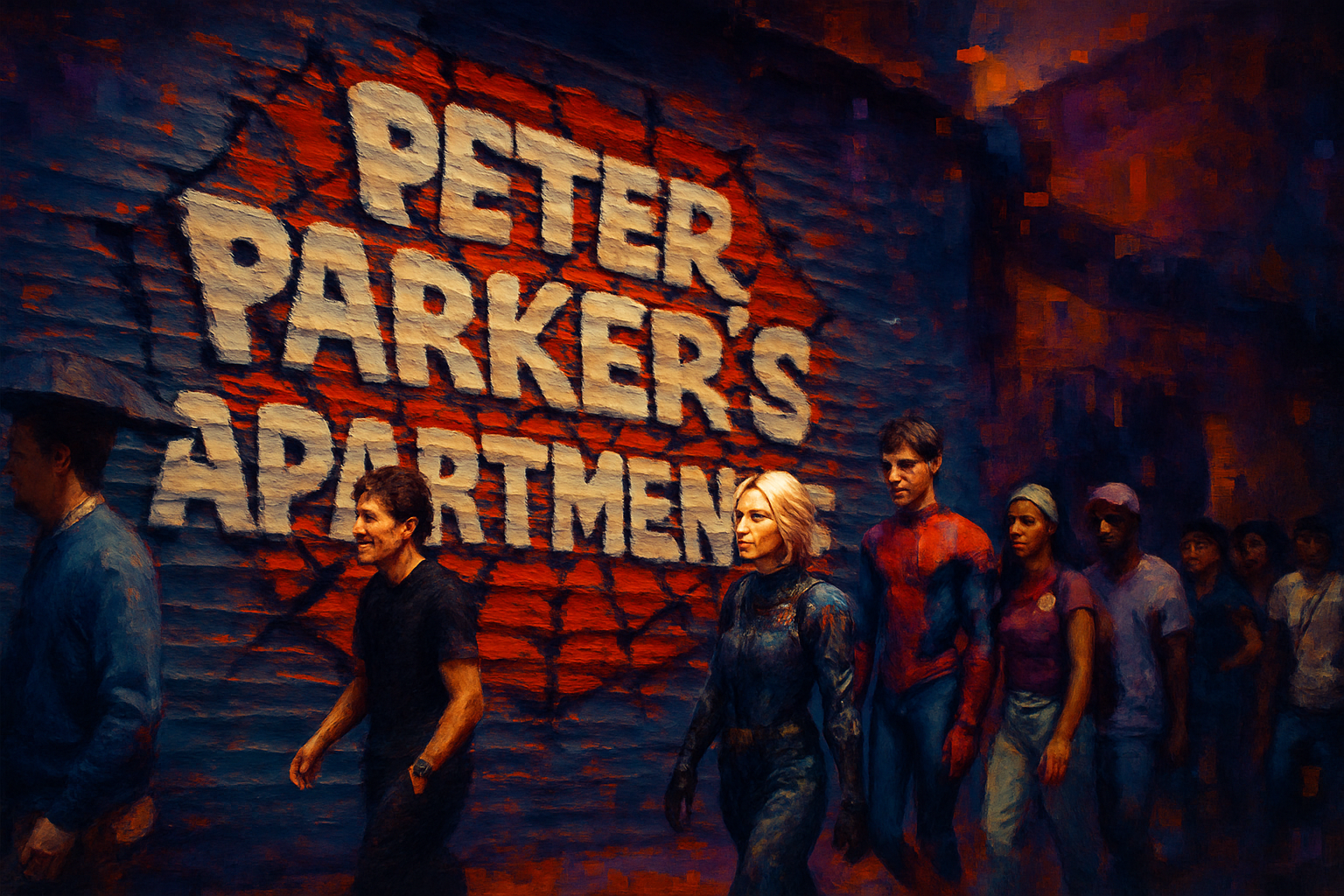
To promote "Spider-Man: Brand New Day," the latest installment in Sony Pictures' apparently inexhaustible franchise, Little Caesars did not simply introduce a themed pizza, though it did that too. (The pizza is called Webberoni, a name that suggests someone in a conference room was very pleased with themselves.) The chain constructed a full-scale replica of Peter Parker's Brooklyn apartment inside a warehouse in Greenpoint, filled it with what the marketing materials describe as "Easter eggs," and invited the public to stand in line for the privilege of visiting the fictional home of a fictional person.
More than 14,000 people reportedly signed up to attend the one-day event. The line, according to the brand, stretched four city blocks, which in New York terms means either a significant achievement or a significant inconvenience, depending on which side of the velvet rope you were standing.
"Bringing this moment to life for Spider-Man fans, whether they were in the room or watching from home, was incredibly important to Little Caesars," said Jaime Pescia, vice president of global creative and brand engagement for the chain.
The activation, as such things are now called, was supported by a roster of social media creators, including Caleb Simpson, whose apartment tour format made him what McKinney, the agency behind the campaign, described as "a natural fit" for showing people around a home that does not exist. Other creators focused on the pizza itself, or on introducing the event to audiences interested in affordable dining options in New York, a demographic that is, it should be noted, fairly large.
Andrew Williams, a group creative director at McKinney, said the campaign was conceived with creators in mind from the beginning.
"By giving creators the keys to the apartment and the freedom to lean into their own styles, we created content that felt natural to their audiences," Mr. Williams said.
The combined reach of the creator content was reported at nearly 30 million followers, a number that would have seemed implausible in the era when pizza promotions meant a cardboard standee in the lobby and a two-liter bottle of soda with purchase.
Whether all of this sold more Webberoni Pizza than a simpler approach might have remains, as these things always do, somewhat difficult to say.
Original story published in The Drum: "How Little Caesars turned Peter Parker’s apartment into a creator hit | The Drum"