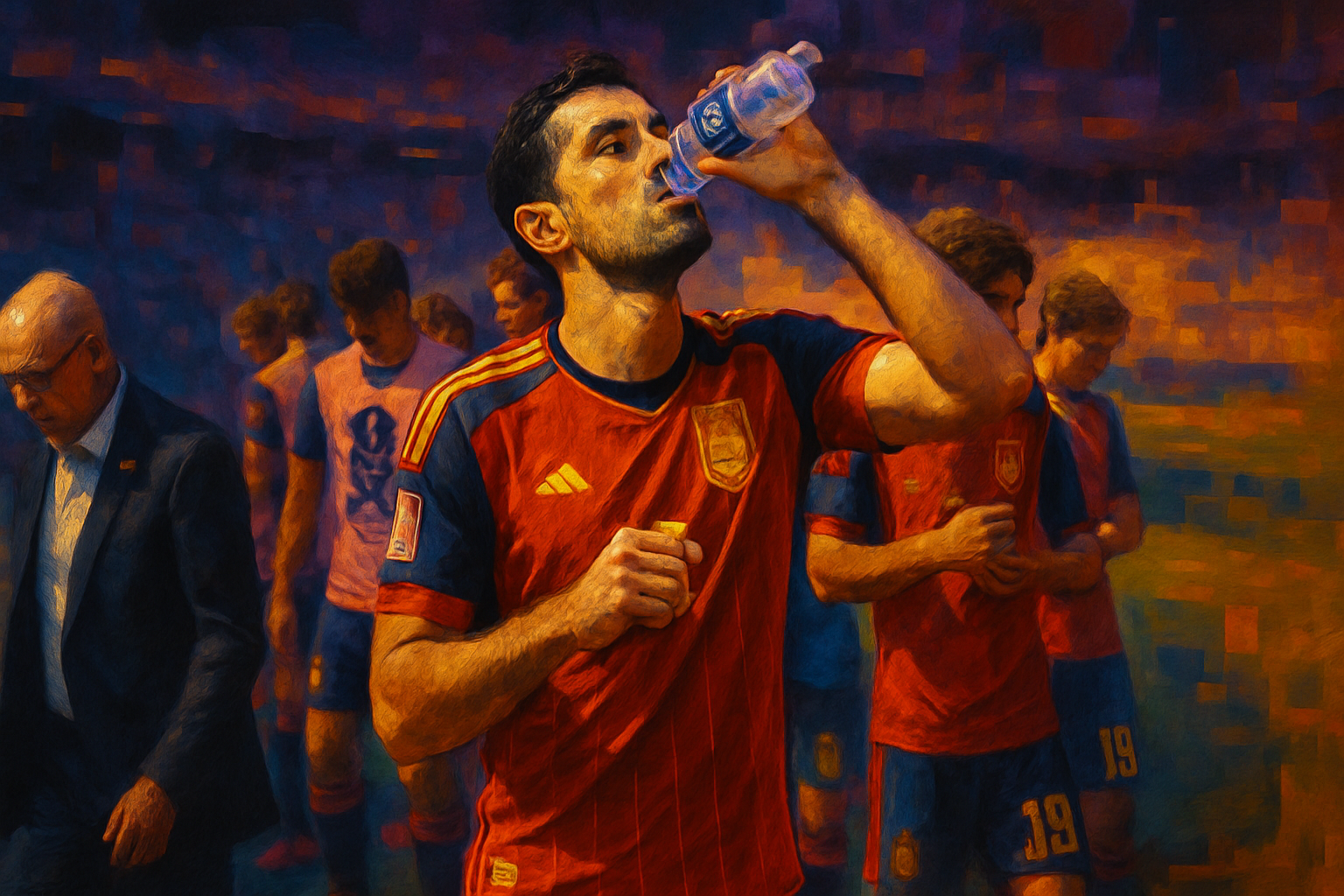
There are times when the unpopular decision turns out to be the commercially sound one, and the hydration breaks at the FIFA Men's World Cup 2026 appear to be one of them.
The breaks — about three minutes of stoppage in the middle of each half, ostensibly for player welfare — drew considerable scorn from fans during the tournament, generating the sort of passionate objection that social media amplifies so efficiently. But within the media buying community, a different picture has emerged in the weeks since the final whistle.
The numbers, it seems, tell a story the crowd noise obscured.
According to industry executives who have reviewed the viewership data, the hydration breaks delivered significant audiences for the advertisers who bought into them. More intriguing, perhaps, is the suggestion that the breaks served as what one might call deal sweeteners — additional inventory that helped close larger packages with sponsors who had committed to the tournament.
(Whether the breaks were designed with this commercial benefit in mind, or simply turned out to be a happy accident for the sales department, remains one of those questions that rarely gets answered directly.)
The arrangement represents something of a quiet evolution in live sports advertising, where the challenge of interrupting continuous-play events like soccer has long vexed networks accustomed to the natural commercial rhythms of American football or basketball. The World Cup's hydration breaks, whatever their original medical justification, offered a tidy solution — a guaranteed pause, in the middle of the action, that viewers could not skip and advertisers could count on.
For FIFA and its broadcast partners, the lesson may be straightforward: what fans complain about loudly and what they tolerate commercially can be two very different things.
Original story published in adweek.com: "For Advertisers, Hydration Breaks Were the Star of the World Cup"