The notion that certain holidays belong, unofficially but unmistakably, to certain constituencies is not new to marketers.eli to New Year's Eve; florists have Valentine's Day; and the beer industry has claimed most of the days in between.
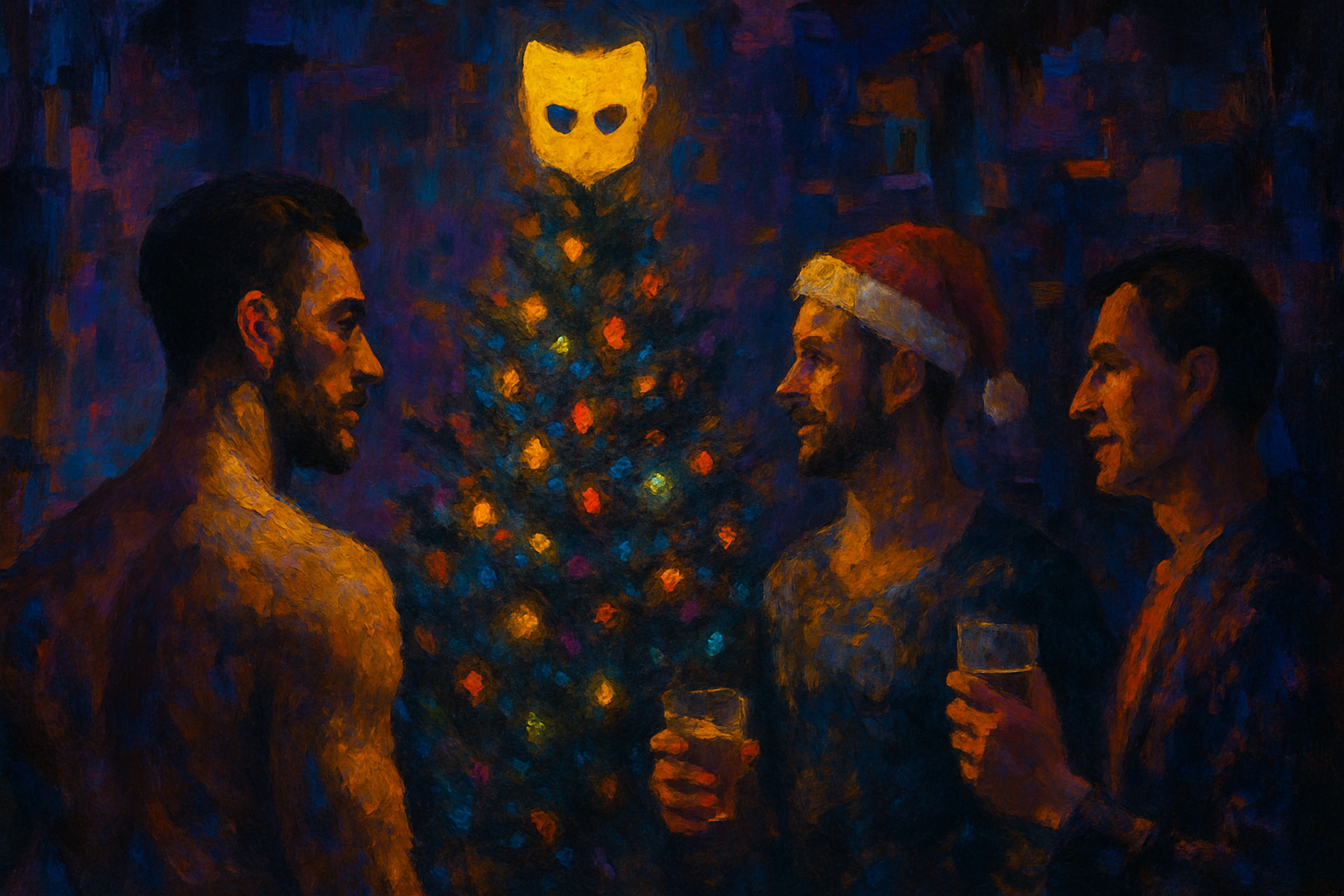
Now Grindr, the social app that has served the L.G.B.T.Q. community since 2009, is making a formal bid to own Halloween.
On Thursday, the company will host its third annual Pleasure Ball in New York City, a costume party and contest that Grindr's chief marketing officer, Tristan Pineiro, told Adweek he hopes will become "the gay rival to the Met Gala." (The Met Gala, of course, has not been entirely lacking in gay influence over the years, but never mind.)
The event has grown from about 400 guests in its first year to a capacity of 700 this year, which suggests either increasing enthusiasm for the franchise or simply a larger venue — possibly both.
"For us and our community, Halloween is kind of gay Christmas," Mr. Pineiro said, deploying a phrase that will be familiar to anyone who has walked through the West Village on the evening of Oct. 31.
The push to associate a brand with a holiday is among the oldest plays in the marketing handbook, dating at least to the Coca-Cola Company's successful adoption of a red-suited Santa Claus in the 1930s. What is newer is the specificity of the claim: not Halloween for everyone, but Halloween for a particular community, hosted by a brand that exists to serve that community.
Whether the Pleasure Ball achieves the cultural cachet of the Met Gala remains to be seen. The Met Gala, after all, has Anna Wintour, a century-old institution and a red carpet that stops traffic on Fifth Avenue.
Grindr has costumes, a guest list and, apparently, a filing on the holiday calendar.
Original story published in adweek.com: "Halloween Is ‘Gay Christmas,’ and Grindr Wants to Own It"