There is a particular kind of success that carries its own punishment: becoming so well known that people know exactly why they dislike you.
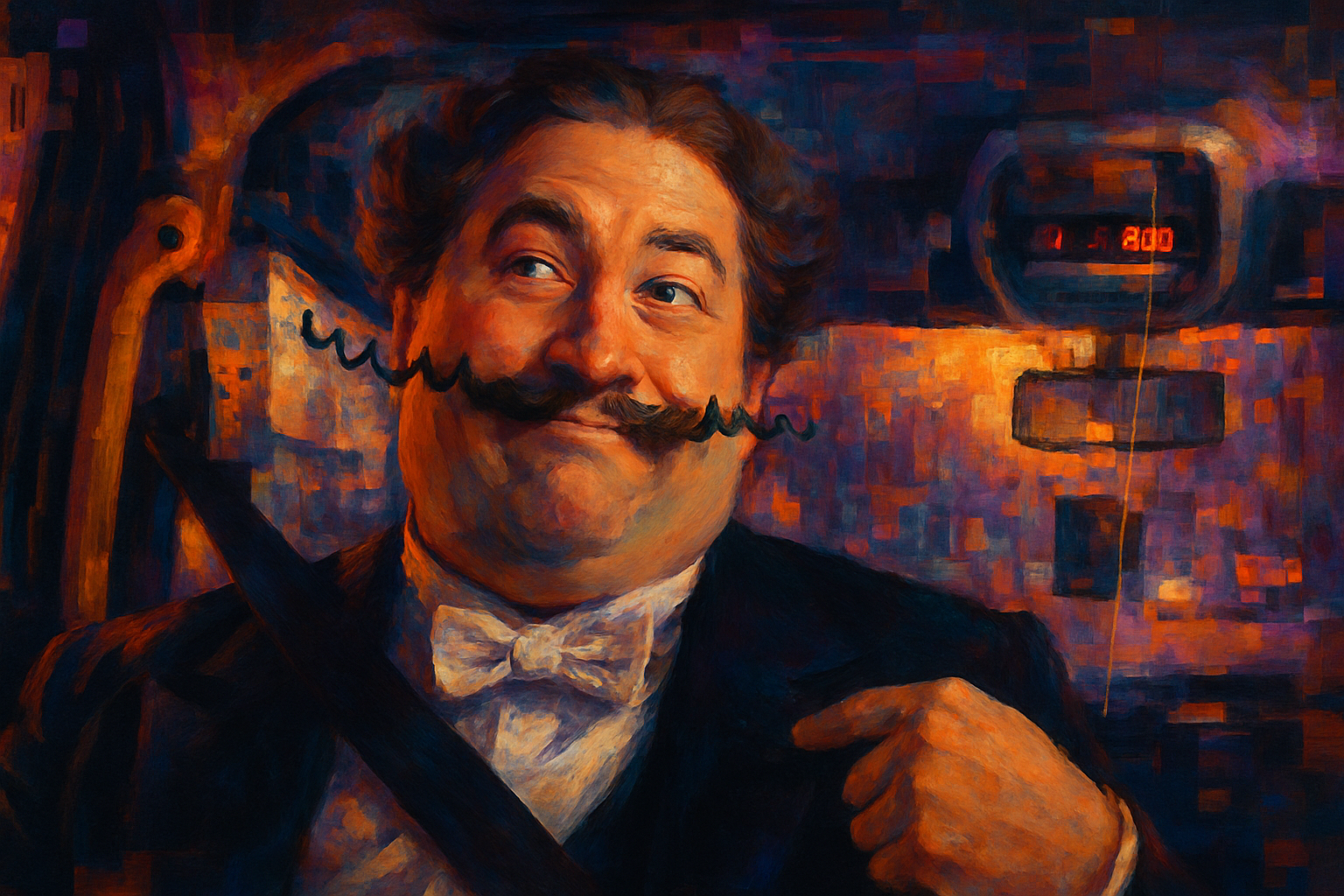
Go.Compare, the British price-comparison service, built one of the most recognizable advertising campaigns in the United Kingdom — an operatic mascot whose jingle lodged itself in the national consciousness with the tenacity of a summer cold. The problem, as Paul Rogers, vice president of marketing at the company, explained at an industry event this week, was that consumers found the whole enterprise "irritating."
This presented what marketers sometimes call a brand health challenge, though Mr. Rogers put it more plainly: spontaneous awareness in the low 90s, preference alarmingly low. People knew the brand. They simply did not want to use it.
"It was a real shame that our advertising, although it drove our fame and our awareness, was undermining our performance," Mr. Rogers said. (One imagines this realization arrived with the weight of several quarterly reports.)
The solution, which the company has pursued over the past four years, has been to keep the distinctive elements — a moustache here, a musical cue there — while quietly retiring the full operatic assault. The mascot has "diminished," in Mr. Rogers's diplomatic phrasing, though not entirely disappeared.
Go.Compare also invested in what Lilly Gaffney, a client partner at the agency Hearts United, described as a "unified video approach," treating linear television, connected television and streaming platforms as a single ecosystem rather than competing silos. The company added sponsorships of programs like "This Morning" and "The Voice UK," as well as a deal with the Welsh Rugby Union that Mr. Rogers said has been "amazingly successful" during the sport's peak months.
The results, by the company's accounting, have been meaningful: preference up 12 percent over four years, revenues growing annually.
It is, perhaps, a useful reminder that in advertising, being unforgettable is not quite the same thing as being liked — a distinction that has occurred to more than one famous brand, usually somewhat late.
Original story published in Marketing Week: "Go.Compare on moving beyond 'irritating' brand mascot to drive preference"