The last time the Federal Communications Commission declined to renew a television station's broadcast license, Ronald Reagan was in the White House and MTV was still playing music videos.
Now the Walt Disney Company, which owns ABC and its eight television stations, has taken the unusual step of mounting an on-air advertising campaign urging viewers to contact the agency directly — by scanning a code that links to the F.C.C.'s public comment page. As of Wednesday, the agency had received some 38,000 comments, a volume that one might charitably describe as robust.
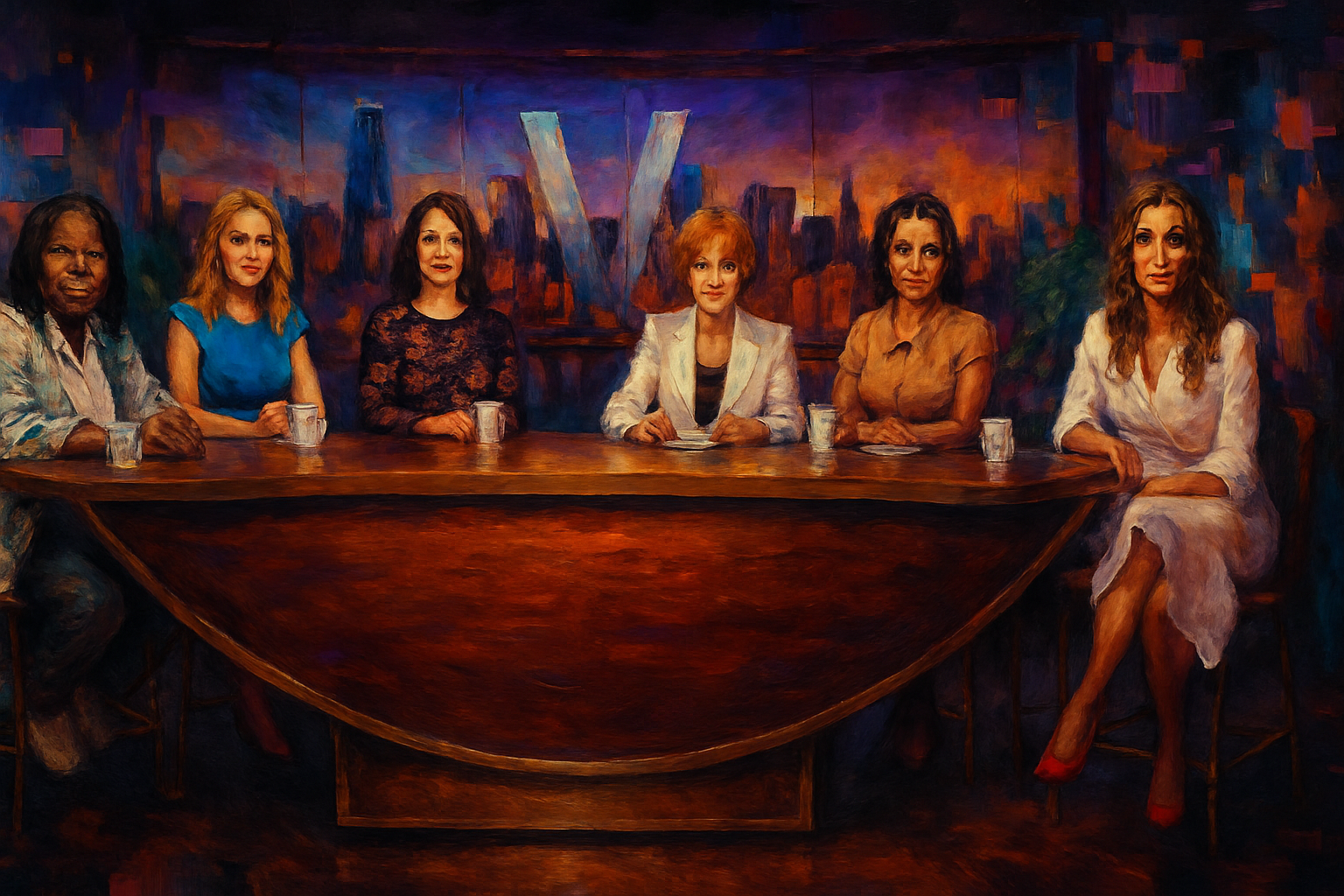
The campaign, which began this week, calls the commission's actions "unprecedented," a word that gets considerable mileage in media disputes but which in this case may be close to accurate. The F.C.C. is examining Disney's daytime program "The View" over its inclusion of political guests, invoking equal-time provisions that have traditionally applied to news programming rather than to talk shows. For decades, programs like "Today," "Access Hollywood" and the Howard Stern radio show have operated under an exemption from such rules. (Whether "Access Hollywood" constitutes news programming is, perhaps, a discussion for another time.)
The commission is also conducting a broader review of ABC's owned-and-operated stations, raising the specter of license revocation — a regulatory tool that has gathered considerable dust since the early 1980s.
Anna Gomez, the lone Democratic commissioner, offered a pointed assessment. "Disney and its ABC stations are the latest victims of this administration's campaign of censorship and control," she said.
The F.C.C. chairman, Brendan Carr, has reopened three petitions from a group aligned with President Trump that target ABC, CBS and NBC. He declined, however, to revisit a complaint against a Fox affiliate in Philadelphia related to coverage of the 2020 election — the same coverage that contributed to Fox Corporation's $787.5 million settlement with Dominion Voting Systems.
One might note that if a regulatory body intends to single out one talk show for its guest booking practices, comparative data about which candidates appear on which programs would seem useful.
Disney, for its part, has decided to make its case not in filings but in 30-second spots — bringing the fight, as it were, to the medium it knows best.
Original story published in MediaPost: "Disney's Unusual Anti-FCC TV Campaign: Where Does This Go?"