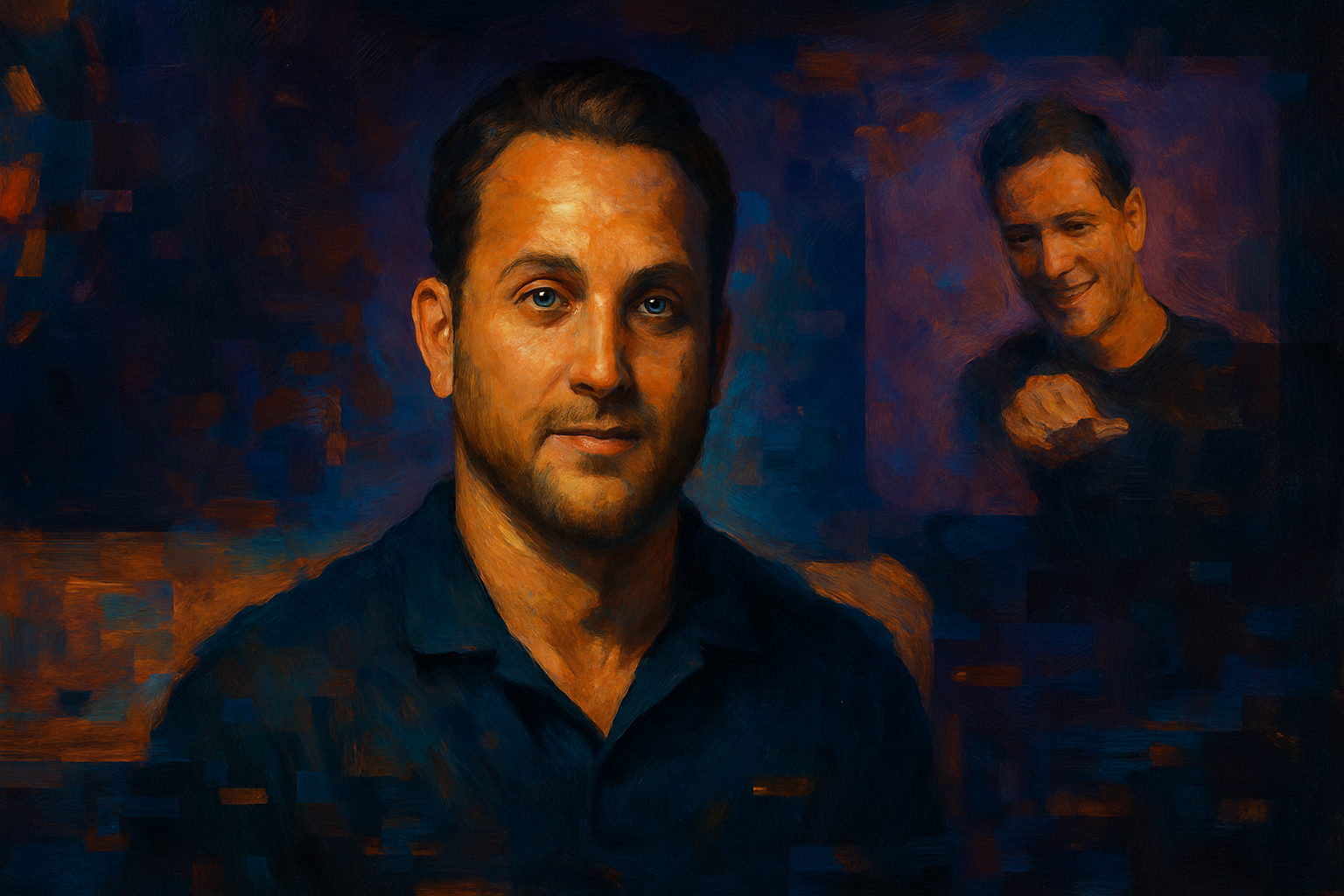
The distance between running a parody Twitter account and selling your company to a French holding conglomerate is shorter than it used to be.
Ryan Detert, who built Influential into what he describes as the largest influencer marketing company by revenue, recently completed that journey when Publicis Groupe acquired his firm. Mr. Detert, who began his career managing accounts with 30 million followers across Twitter and Instagram — the kind that posted travel photographs and automotive content before anyone called that a "creator economy" — now works with more than 60 percent of the Fortune 500.
In a recent podcast conversation, Mr. Detert described the essential shift that allowed his business to grow: persuading brands to stop treating influencer marketing as a public relations expense and start treating it as media.
"The industry initially categorized influencer marketing as a PR or sponsorship expense, which limited budgets to small, experimental projects," Mr. Detert said. The change came around 2016, he noted, when campaigns began combining organic creator content with paid amplification — a hybrid approach that let the work compete for television-sized budgets rather than leftover publicity funds.
(One imagines the public relations departments were sorry to see it go.)
Mr. Detert also made the case for what the industry now calls micro-creators, arguing that a smaller audience with specific interests often delivers better results than a celebrity with millions of followers who could be anyone. This is, of course, the same targeting logic thateli marketing has been selling for two decades, now wearing a ring light.
The acquisition by Publicis gives Influential access to Epsilon, the data operation that tracks consumer purchase behavior — allowing brands to match creators not just to demographics but to shopping histories. Mr. Detert suggested this integration would help influencer marketing mature into something resembling a proper media channel, with measurement to match.
Whether the creators themselves — some of whom, Mr. Detert noted, are increasingly concerned about brands using their likenesses without consent — will find this maturation entirely comfortable remains to be seen.
Original story published in Adweek: "Beyond the Follow: Influential's Ryan Detert on Creator Marketing as Real Media Spend"